
Clean water is the backbone of countless industrial and commercial operations, yet achieving consistent filtration quality remains a challenge for many facilities. Standard filter media often fall short when faced with high sediment loads, variable flow rates, or the need for fine particulate removal. Melt blown filter cartridges offer a proven solution, delivering deep-bed filtration that captures contaminants from the surface to the core of the media. This article walks through the key steps to understanding, selecting, and deploying melt blown technology to elevate your water filtration performance.
Step 1: Understand the Melt Blown Filtration Mechanism
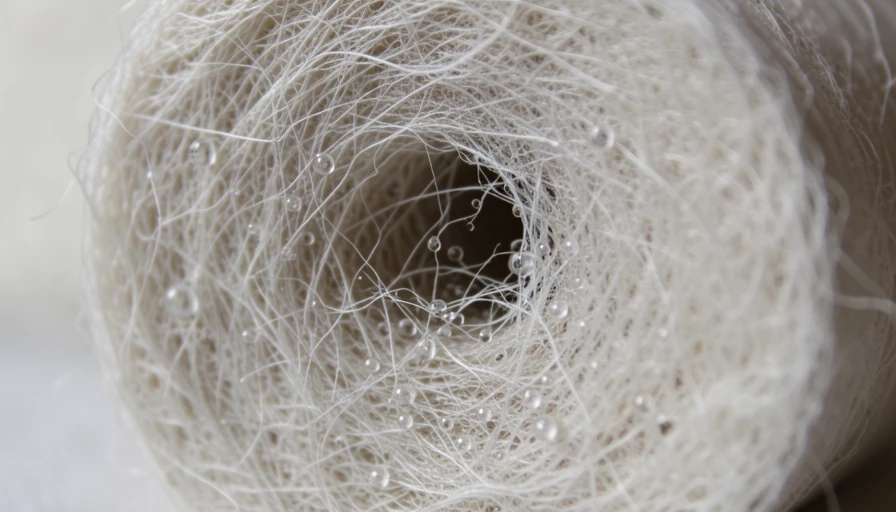
The first step to improving your water filtration is grasping how a melt blown filter cartridge actually works. Unlike traditional wound or string filters, melt blown media is produced by extruding molten polypropylene through fine nozzles and blowing it with high-velocity air to create ultra-fine fibers. These fibers are randomly deposited onto a rotating mandrel, forming a self-bonded, graduated-density matrix.
The result is a filter with three distinct advantages. The outer layer captures larger particles, while progressively finer inner layers trap smaller contaminants. This depth-filtration design provides high dirt-holding capacity and prevents premature blinding at the surface. The fibers also create a tortuous path that forces water to change direction repeatedly, allowing particles to be captured by mechanical interception, inertial impaction, and diffusion.
For facilities dealing with variable turbidity or mixed contaminant loads, this graded structure means longer service life and more consistent effluent quality compared to surface-type filters.
Step 2: Select the Correct Micron Rating for Your Application
Choosing the right micron rating is the most critical decision in the deployment process. Melt blown cartridges are available from 0.5 microns up to 100 microns, and selecting the wrong rating can lead to either inadequate filtration or excessive pressure drop.
Start by analyzing your source water. Conduct a particle-size analysis to identify the smallest contaminant that must be removed. For general industrial process water, a 5-micron to 10-micron cartridge is often a solid baseline. For pre-filtration ahead of reverse osmosis membranes, a 1-micron to 5-micron rating is typical to protect the delicate membrane elements.
Consider flow rate requirements as well. A cartridge rated at a finer micron will have a higher pressure drop at the same flow rate. Multiply the number of cartridges in your housing to ensure total surface area is adequate. Many manufacturers, including those offering the melt blown filter cartridge, provide sizing calculators to match cartridge specifications to your system parameters.
Step 3: Install and Integrate Cartridges into Your Existing System
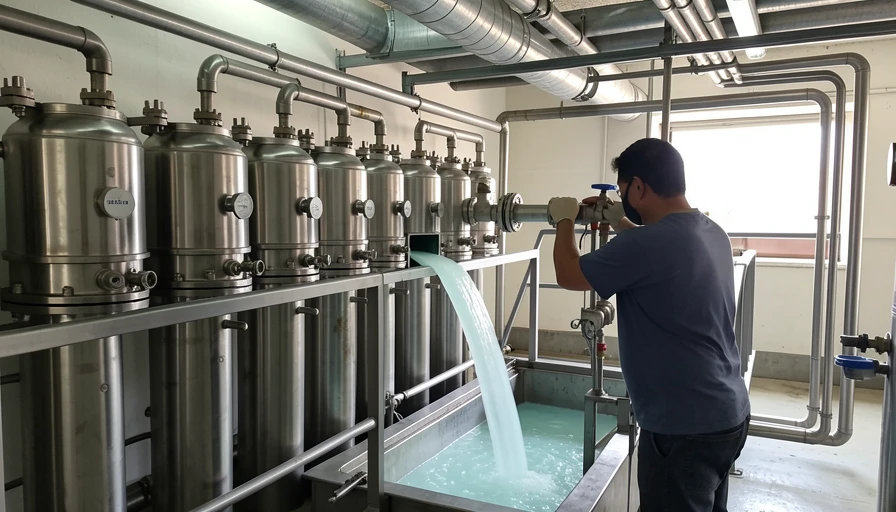
Proper installation ensures that the melt blown media performs as designed. Begin by verifying that the cartridge housing is clean and free of debris. Inspect O-rings, gaskets, and sealing surfaces for damage or wear. A compromised seal allows unfiltered water to bypass the cartridge entirely, defeating the purpose of the upgrade.
When inserting the cartridge, ensure it is fully seated and centered in the housing. Snug the housing closed hand-tight plus a quarter turn using a strap wrench if needed. Over-tightening can distort the cartridge core or damage the seal.
For multi-cartridge systems, install all cartridges of the same micron rating and brand to maintain consistent flow distribution. If you are converting from a different filter type, flush the system with clean water for several minutes before returning to service. This step removes any loose debris from the housing and piping that could prematurely load the new cartridges.
Step 4: Establish a Monitoring and Replacement Schedule
A melt blown filter cartridge performs best when replaced at the right interval. Relying on visual inspection alone is insufficient because the depth media can be heavily loaded internally while the outer surface still appears clean.
Install a differential pressure gauge across the filter housing. Replace cartridges when the pressure drop reaches 15 to 20 psi above the clean baseline, or at the manufacturer’s recommended maximum. Running cartridges beyond this point can cause channeling, media collapse, or flow restriction that impacts downstream equipment.
Keep a simple log recording the date of installation, initial pressure drop, and the pressure drop at each replacement. Over time, this data reveals seasonal trends in water quality and helps you fine-tune the replacement schedule. For applications with high sediment loads, consider installing a lower-cost pre-filter upstream to extend the life of the finer melt blown cartridges downstream.
About Pullner
Business: Pullner
Spokesperson: Lucy
Position: Sales Manager
Phone: 0086-21-57718597
Email: [email protected]
Location: LB19-Office No.1207, Jebel Ali Free Zone, Dubai, United Arab Emirates
Website: https://www.pullnerfilter.com/
FAQ
What contaminants do melt blown filter cartridges remove?
Melt blown cartridges effectively remove sediment, sand, silt, rust particles, scale, and other suspended solids down to the rated micron size. They are not designed to remove dissolved chemicals, bacteria, or viruses unless specifically treated with antimicrobial additives.
How long does a melt blown filter cartridge last?
Service life depends on feed water quality, flow rate, and the micron rating selected. Typical industrial applications see replacement intervals ranging from two weeks to three months. Monitoring differential pressure is the most reliable way to determine when replacement is needed.
Can melt blown cartridges be cleaned and reused?
No. Melt blown cartridges are single-use, disposable media. The depth filtration design traps contaminants throughout the fiber matrix, making effective cleaning impossible. Attempting to clean them can damage the fiber structure and release trapped particles back into the water.
Are melt blown cartridges compatible with all water types?
Standard polypropylene melt blown cartridges are compatible with potable water, most industrial process water, and many chemical solutions within a pH range of 1 to 13. Always verify chemical compatibility with the manufacturer if your water contains strong solvents, acids above 10 percent concentration, or hydrocarbons.
What is the difference between melt blown and string-wound cartridges?
Melt blown cartridges use randomly oriented microfibers bonded into a graded-density matrix, while string-wound cartridges use yarn wrapped around a core. Melt blown media offers higher dirt-holding capacity, lower pressure drop, and more consistent micron retention. String-wound cartridges can be more economical for low-sediment applications but are more prone to channeling and unloading at higher contaminant loads.
Final Considerations
Implementing melt blown filter cartridges into your water filtration system is a straightforward upgrade that delivers measurable improvements in water quality, equipment protection, and operational consistency. By understanding the filtration mechanism, selecting the correct micron rating, installing cartridges properly, and monitoring performance with a disciplined replacement schedule, you can maximise the return on your filtration investment. For facilities seeking to standardise on a reliable, high-performance filtration platform, melt blown technology remains a leading choice across the industrial water treatment landscape.